
Almost a quarter of German consumers use online subscriptions for products such as razors, shampoos or flowers. On average, they have three active subscriptions. This is according to a survey of more than 1,000 German consumers by the digital industry association Bitkom.
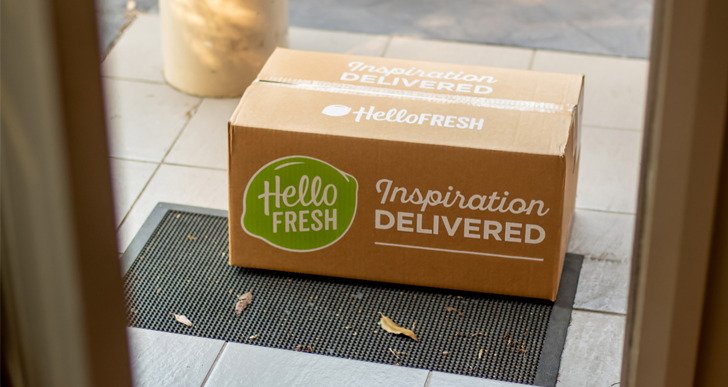
With subscription shopping, online shoppers commit to receiving one or more products delivered to their home on a regular basis. These can be things that consumers would rather not run out of, such as razors, but also monthly surprise boxes of beauty products. Dining sets are another example of a subscription store, the best-known representatives of which are the German companies HelloFresh and Marley Spoon.
The rise of the subscription business
The rise of the subscription business began about fifteen years ago. An ING survey in eleven different European countries showed that households spent an average of €130 on subscriptions in 2018, which represents around 5 percent of their household budget. The bank expected this share to grow significantly, but never conducted a follow-up study.
Analysts expect the subscription business to grow rapidly
According to various other sources, the subscriber business has actually grown since then, although retaining subscribers can be challenging. Analysts expect a high double-digit growth rate in the coming years.
“A benefit for consumers and companies”
There is still considerable room for growth in Germany: according to a study by Bitkom, around three quarters of consumers there currently do not have a product subscription. Those who have products delivered automatically and repeatedly have an average of three subscriptions. “Consumers benefit from convenience and often also from price advantages,” Bitkom expert Nastassja Hofmann says about the benefits of the model. “Companies can more effectively plan for recurring demand, streamline processes and strengthen customer loyalty.”
“Transparency is essential for subscription growth”
According to Hofmann, not knowing the intricacies of the model means that subscription products are not yet popular with everyone: “Transparent and easy-to-understand information – such as lower prices, flexible terms and cancellation options – is essential for the subscription business to gain a stronger position.”
Social commerce in Germany
Bitkom regularly publishes research on online shopping behavior in Germany. Last month, it found that three out of ten German consumers shop via social media, with Instagram the leading platform for social commerce.